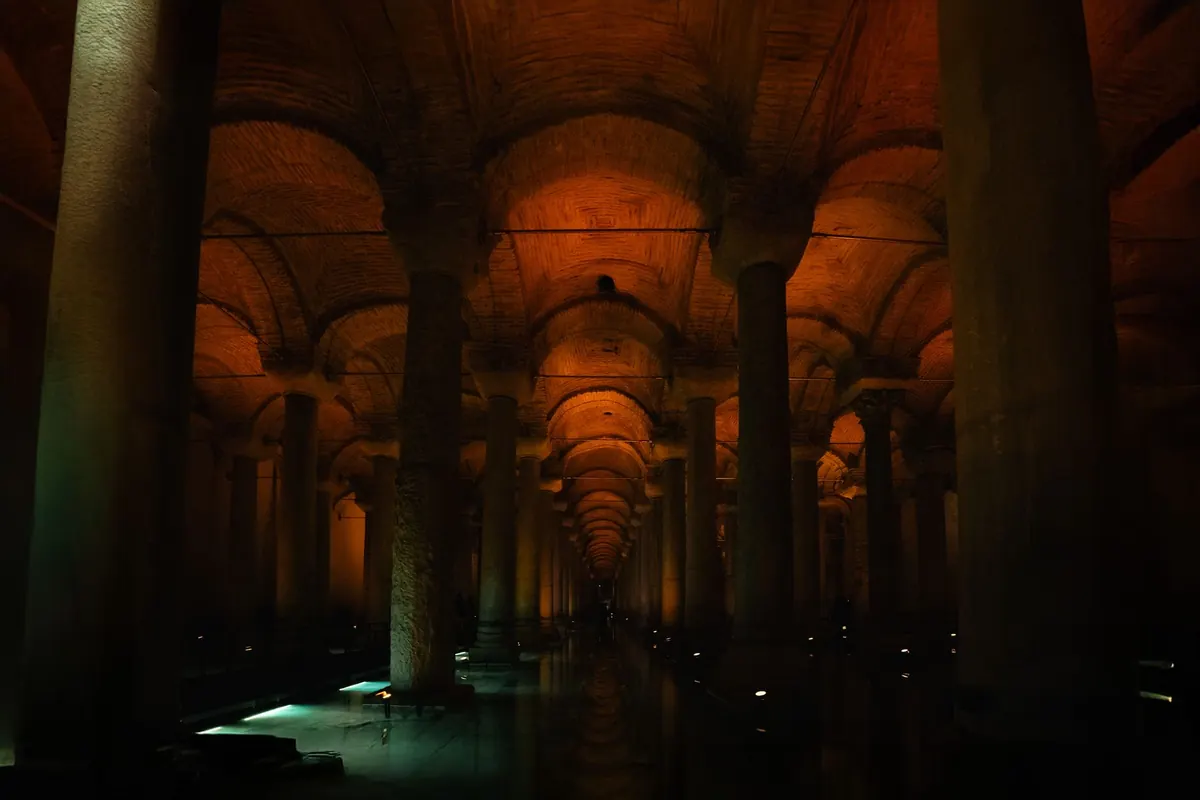
On the evening of 15 February 2003, a handful of men walked into one of the best-protected buildings in Antwerp's diamond district and spent the weekend emptying the vault inside it. The Antwerp Diamond Center advertised ten layers of security: a doorman, cameras, magnetic locks, heat and motion sensors, and a vault door that demanded both a key and a combination. The crew defeated all of it without firing a shot. Reported losses ran into the tens of millions of dollars, and the exact figure is still argued over. What nobody argues about is why the vault failed. The weaknesses that let them in are the same ones that surface in breach after breach: people, process, and the assumption that an attacker will only ever do the obvious thing.
Months before the vault door moved, the crew was already inside the building — not as intruders, but as tenants. Accounts of the case describe rented office space in the same complex, used as a base for watching how the place worked: when staff arrived, when the cleaning crew came through, which doors stayed unlocked during business hours, how long a guard took to walk a corridor. That kind of observation is boring, cheap and almost impossible to detect, because nothing about it looks like an attack.
The intelligence value is hard to overstate. A vault is a box wrapped in procedures. Learn the procedures and you learn the box's schedule: the hours it sits unattended, the days when alarms are being tested, the moments when a response will be slow. Most "security" in a commercial building is really a timetable, and timetables leak.
The famous version of this story involves exotic gadgets. The mundane version is closer to the truth: the critical tools were a copied key, a known combination, and the patience to work slowly enough that vibration and heat sensors stayed quiet.
Reports of the case describe a crew that had access to the vault key long enough to copy it, and to the combination. Once those two things were in hand, the vault door stopped being a barrier and became a formality. The real work was defeating the sensors watching the vault's interior — a light sensor that would notice the darkness changing, an infrared sensor watching for body heat, and a seismic sensor listening for the vibration of drilling or hammering. That last one dictated method. Rather than cutting quickly, the crew worked by hand and in slow motion, opening safe deposit boxes one at a time.
Timing did the rest. The break ran across a weekend, when the district empties out and monitoring staff are thin. There was a scare along the way; accounts say one member was briefly trapped inside and had to improvise a way out. But by the time anyone expected that vault to open again, the work was done.
Strip away the drama and the failure points are ordinary:
The number attached to the theft has been repeated so often that it has hardened into fact, but the total was disputed from the start — by insurers, by investigators, and by the convicted ringleader, who later claimed the real value was a fraction of the headline figure. That gap matters for anyone planning defences. If you cannot state what is actually in your vault, on any given night, you cannot size the risk or the insurance around it.
The vault was breached; the crew was caught. Evidence bags dumped in a forest outside Brussels were found after rain had stopped the attempted burning, and the trail led back to the people involved. One member was convicted and sentenced to a decade in prison.
This is the part most people skip. A technically brilliant breach is only half a crime. Movement of goods, disposal of tools, handling of documentation and the ordinary human urge to keep a souvenir all create far more forensic exposure than the vault door ever did. Attackers are usually caught on the way out, not on the way in — which means your detection strategy should extend past your walls, into the weeks after.
If you are responsible for a vault, a strongroom or a secure storage facility, the lessons translate directly:
Vaults rarely fail because the steel was too thin. They fail because a procedure was predictable, a credential was copied, or an alarm had nobody listening. Fix those three and you have closed most of the gap that Antwerp exposed. For facilities holding client assets, it is worth commissioning a site-specific assessment from a qualified physical security professional; general principles are a starting point, not an audit.
Photo: metehan demir / Pexels
A practical introduction to vault entry systems: how credentials, dual control, and turnstiles work together, and...
A practical guide to choosing a CCTV retention window: how storage, legal expectations and real-world detection...

A seasonal safe maintenance guide for winter: control humidity with desiccants, inspect door gaskets, replace lock...

Monitoring the world's most secure vaults..
