A safe is one of the few things in a house that has to work on the worst day you'll ever have. The ratings printed on the door — so many minutes of fire resistance, a given level of burglary resistance — describe the safe under test conditions, not in the corner of your closet. Owners quietly undo those ratings all the time. The nine mistakes below are the usual culprits, and most of them take an afternoon to correct.
Fire ratings are measured with the safe sitting on a solid floor. A shelf is fuel and a lever: it burns through, the safe drops, and the door can pop open, spilling documents into the hottest part of the room. Height works against you, too — heat collects near the ceiling, so a safe on the top closet shelf cooks sooner than one on the floor. Keep it at ground level, and prefer concrete over joists.
Garages and unfinished basements swing between humid and dry, which is hard on gaskets, locks, and electronics. They're also where a burglar looks first, surrounded by pry bars. In cold climates, an exterior wall can leave the safe cold enough to condense moisture inside. An interior closet or a floor-level spot in a conditioned room is a better home. If a damp space is your only option, plan for desiccant and check it often.
Most home safes look heavier than they are. A few hundred pounds disappears into a truck with two people and a hand truck, and a burglar who can't open a safe will happily take the whole box somewhere quieter. Hollow-wall anchors and toggles won't stop that. Use the pre-drilled holes: wedge anchors into concrete, or lag bolts long enough to bite deep into floor joists or wall framing. Then test it — open the door, press down on the open door, and lean. If the safe lifts or shifts, it isn't anchored. One caution: don't drill new holes through the body unless the manufacturer says those spots are safe. You can cut through the fire insulation and give heat a path inside.
The gasket around the door is what keeps superheated gas and smoke out, and it swells as it heats to tighten the seal. Once it cracks, hardens, or gets waxed or painted, you have an insulated box with a gap. Check it twice a year. Run a strip of paper around the opening, close and latch the door, and tug — it should resist at every point. In a dark room with a light inside, watch for leaks along the edges. Replace a worn gasket with the manufacturer's part.
A safe packed to the frame is a safe whose door never seats properly. Folders press against the opening and get pinched by the gasket, and overloaded shelves can collapse in a fire, dumping contents against the door. Leave a finger's width of clearance behind the door, keep nothing protruding past the frame, and put heavy items low and centered.
Fire ratings and burglary ratings measure different things, and neither is a promise about your contents. A thin-walled insulated box sold as a fire safe may survive a brief test but won't slow a pry bar; a heavy steel burglary safe may have little insulation. Ratings also vary by what's inside: paper tolerates more heat than photographs, negatives, USB drives, and external drives, which need a media-rated interior. Read the label as a set of conditions, not a guarantee. For genuinely irreplaceable items, consider a bank safe deposit box, and keep digital copies somewhere off-site.
Keypad batteries die quietly, and some electronic locks lock out after repeated failed entries. Change batteries on a schedule instead of waiting for the beep. Hinges and bolts do better with a dry lubricant or graphite made for locks; household oil and generic spray lubricants collect grit and gum up the mechanism. Test the bolt throw monthly, and close the door gently rather than letting it swing and bounce on the bolts.
Nearly every electronic safe ships with a mechanical backup key, and plenty of owners keep it inside the safe so it can't be lost. If the keypad dies, you're locked out of the box holding your way back in. The override key belongs outside the safe — ideally at another address or with someone you trust. Photograph the receipt, model number, and serial number and keep those copies outside too. Many manufacturers' fire-replacement programs ask for proof of purchase, and that paperwork is no help if it burns.
A safe is a sealed box: whatever moisture is in the air when you close it stays there. Over a year, that rusts blued steel, wrinkles paper, feeds mold on photographs, and corrodes circuit boards. Use rechargeable desiccant and follow the recharge interval, which may be monthly in humid climates. Never store anything damp. Skip ordinary plastic bags, which trap moisture against the contents; archival sleeves and boxes are better. If condensation keeps returning, a low-wattage dehumidifying rod made for safes is a reasonable next step.
None of this needs a technician, and most of it costs nothing.
Put two dates in your calendar and repeat the check twice a year. A safe is a simple machine — floor, bolts, seal, dry air — and it responds to the same thing most security does: attention paid before anything goes wrong. If the contents matter to an insurance claim or a legal matter, ask your insurer or an attorney what documentation they expect you to keep, and how.
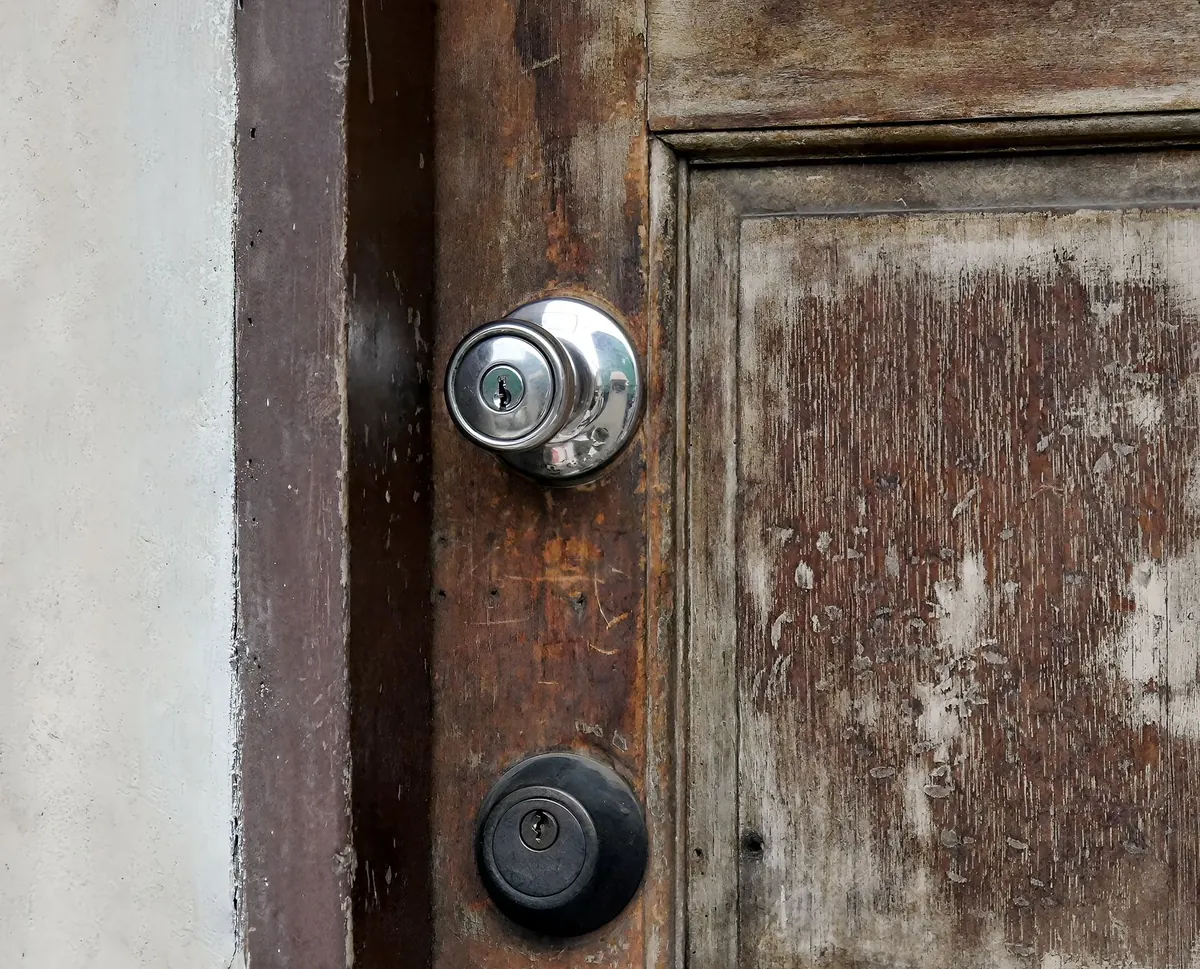
Photo: Stephen Llevares / Pexels
A practical introduction to vault entry systems: how credentials, dual control, and turnstiles work together, and...
A practical guide to choosing a CCTV retention window: how storage, legal expectations and real-world detection...

A seasonal safe maintenance guide for winter: control humidity with desiccants, inspect door gaskets, replace lock...

Monitoring the world's most secure vaults..
